
Painting a room is one of the easiest and most affordable ways to transform your home. A fresh coat of paint can brighten a space, hide imperfections, and give any room a completely new look. While painting may seem intimidating for first-time homeowners, the process becomes much easier when you understand the basics and prepare properly.
This beginner-friendly guide covers everything you need to know to achieve professional-looking results on your first interior painting project.
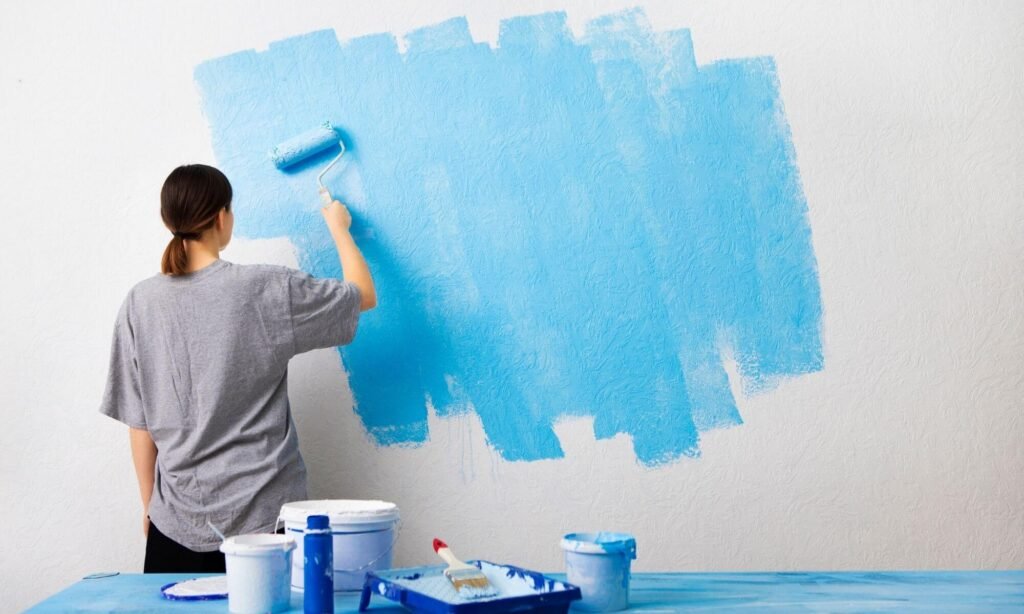
Benefits of Interior Painting
Painting your home’s interior offers several advantages:
- Refreshes outdated rooms
- Improves overall appearance
- Covers stains and marks
- Protects walls from wear and tear
- Increases home value
- Allows for personal style and customization
Even a simple color change can dramatically improve a room’s atmosphere.
Choosing the Right Paint
Selecting the correct paint is one of the most important decisions in any painting project.
Latex Paint
Latex paint is the most popular choice for interior walls.
Advantages
- Easy cleanup with water
- Low odor
- Quick drying time
- Durable finish
Most beginners will find latex paint easier to work with than oil-based alternatives.
Paint Finishes Explained
Different paint finishes offer different levels of durability and shine.
Flat or Matte
Best for:
- Ceilings
- Low-traffic areas
Pros:
- Hides imperfections well
Cons:
- More difficult to clean
Eggshell
Best for:
- Living rooms
- Dining rooms
- Bedrooms
Pros:
- Slight sheen
- Easy maintenance
Satin
Best for:
- Hallways
- Family rooms
- Children’s rooms
Pros:
- Durable
- Washable
Semi-Gloss
Best for:
- Trim
- Doors
- Baseboards
Pros:
- Moisture resistant
- Easy to clean
Gloss
Best for:
- Cabinets
- Decorative trim
Pros:
- Highly durable
- Reflective finish
Essential Painting Supplies
Before starting, gather all necessary materials.
Basic Painting Tools
- Paint
- Paint brushes
- Paint rollers
- Roller frame
- Paint tray
- Extension pole
- Drop cloths
- Painter’s tape
- Putty knife
- Sandpaper
- Ladder
- Cleaning cloths
Using quality tools often produces better results and makes the job easier.
Preparing the Room
Preparation is one of the most important steps in the painting process.
Move Furniture
Whenever possible:
- Remove furniture from the room
- Cover large items with plastic sheeting
This helps prevent accidental paint splatters.
Protect Floors
Use:
- Canvas drop cloths
- Plastic coverings
Protecting floors saves time and prevents damage.
Remove Wall Decorations
Take down:
- Pictures
- Mirrors
- Shelves
- Curtains
This creates a clear workspace.
Preparing the Walls
Professional-looking results start with properly prepared surfaces.
Clean the Walls
Remove:
- Dust
- Dirt
- Grease
- Stains
Paint adheres best to clean surfaces.
Repair Imperfections
Fill:
- Nail holes
- Small cracks
- Minor dents
Allow filler to dry completely before sanding.
Sand the Surface
Light sanding helps:
- Smooth rough areas
- Improve paint adhesion
- Create a more even finish
Wipe away sanding dust before painting.
When to Use Primer
Primer creates a smooth and uniform surface for paint.
Use Primer If:
- Painting new drywall
- Covering dark colors
- Painting over stains
- Repairing damaged areas
Benefits include:
- Better paint coverage
- Improved durability
- More consistent color
Applying Painter’s Tape
Painter’s tape helps create clean edges.
Apply tape around:
- Baseboards
- Window trim
- Door frames
- Ceiling lines
- Electrical outlets
Press firmly to prevent paint from bleeding underneath.
Painting the Ceiling
Many professional painters start with the ceiling.
Benefits include:
- Easier cleanup of drips
- Better workflow
Use:
- Roller with extension pole
- Ceiling-specific paint if desired
Work in sections and maintain a wet edge.
Cutting In Around Edges
Before using a roller, paint areas the roller cannot easily reach.
This process is called “cutting in.”
Use a brush around:
- Corners
- Ceiling edges
- Trim
- Windows
- Doors
Take your time to achieve clean lines.
Rolling the Walls
After cutting in, use a roller to cover larger wall areas.
Best Practices
- Work in small sections
- Use even pressure
- Avoid overloading the roller
- Maintain a wet edge
This helps create a smooth, uniform finish.
Applying a Second Coat
Most paint colors require two coats.
A second coat helps:
- Improve coverage
- Enhance color consistency
- Increase durability
Allow the first coat to dry completely before applying the second.
Painting Trim and Doors
Once the walls have dried:
- Remove and replace tape if necessary
- Paint trim and doors separately
An angled brush typically provides the best control and precision.
Semi-gloss paint is commonly used for trim because it is durable and easy to clean.
Common Interior Painting Mistakes
Skipping Preparation
Poor preparation often leads to poor results.
Buying Cheap Tools
Low-quality brushes and rollers may leave:
- Streaks
- Lint
- Uneven texture
Quality tools often save time and frustration.
Applying Too Much Paint
Heavy coats can cause:
- Drips
- Runs
- Uneven drying
Several thin coats generally produce better results.
Ignoring Drying Times
Rushing between coats can affect adhesion and appearance.
Always follow the manufacturer’s recommendations.
Interior Painting Safety Tips
Ensure Proper Ventilation
Open windows and use fans when possible.
Use Ladders Safely
Always place ladders on stable surfaces.
Wear Appropriate Clothing
Old clothes and protective eyewear can help prevent accidents.
Keep Supplies Away from Children and Pets
Store paint and tools safely during and after the project.
Frequently Asked Questions
How much paint do I need?
A gallon of paint typically covers approximately 350–400 square feet, depending on the surface and paint type.
Do I need primer every time?
Not always. Primer is most useful when covering stains, dark colors, or new drywall.
How long should I wait between coats?
Drying times vary by product, but many latex paints require a few hours before recoating.
What is the best paint finish for walls?
Eggshell and satin finishes are popular choices because they balance appearance and durability.
Final Thoughts
Interior painting is one of the most rewarding DIY home improvement projects. With proper preparation, quality tools, and attention to detail, beginners can achieve impressive results without professional assistance. By understanding paint types, finishes, preparation techniques, and application methods, homeowners can confidently transform their living spaces and enjoy a fresh new look for years to come.