
A healthy and attractive yard requires year-round care. Each season presents unique challenges and opportunities for maintaining your lawn, garden, trees, and outdoor living spaces. By adjusting your yard maintenance routine throughout the year, you can promote healthier plant growth, improve curb appeal, and reduce costly repairs.
This guide explains how homeowners can prepare their yards for every season and keep outdoor spaces looking their best all year long.
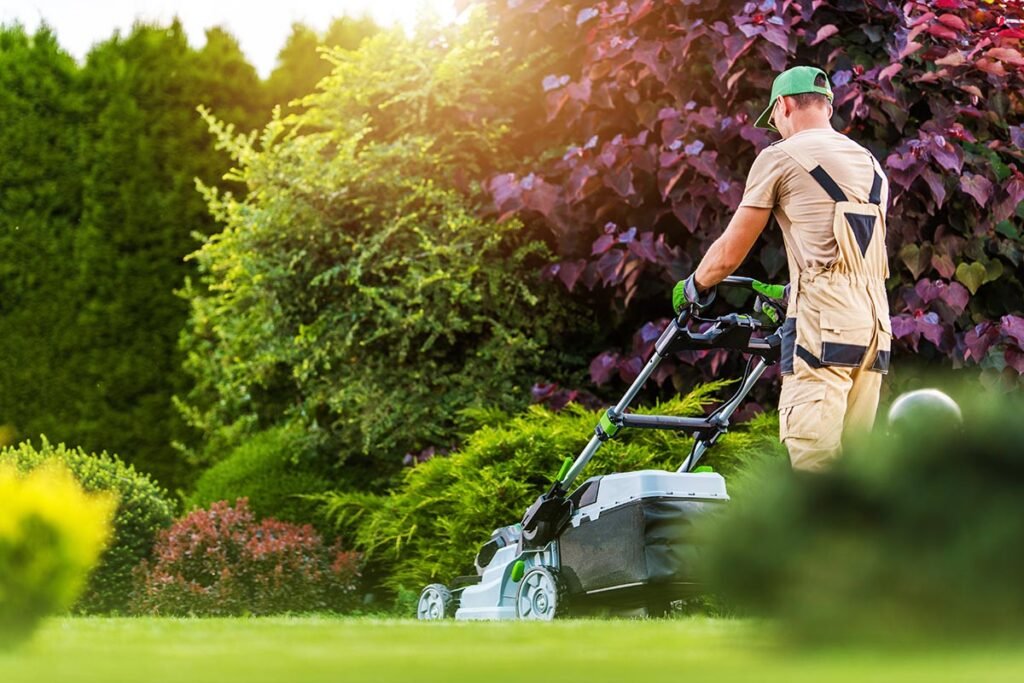
Why Seasonal Yard Care Matters
Your yard is constantly affected by changing temperatures, rainfall, sunlight, and weather conditions.
Proper seasonal maintenance helps:
- Promote healthy lawn growth
- Reduce weeds and pests
- Protect plants from extreme weather
- Improve soil health
- Maintain landscaping investments
A proactive approach can prevent many common lawn and garden problems before they start.
Spring Yard Preparation
Spring is often considered the most important season for yard maintenance. It sets the foundation for healthy growth throughout the year.
Clean Up Winter Debris
Begin by removing:
- Fallen branches
- Dead leaves
- Damaged plants
- Winter debris
Cleaning your yard improves appearance and reduces the risk of disease and pests.
Inspect Your Lawn
Winter can leave behind bare patches and damaged grass.
Look for:
- Thin areas
- Soil compaction
- Weed growth
- Standing water
Addressing problems early can prevent larger issues later in the season.
Apply Fertilizer
Spring fertilization helps grass recover from winter dormancy.
Benefits include:
- Stronger root development
- Improved color
- Faster growth
Choose a fertilizer suitable for your grass type and local climate.
Overseed Thin Areas
If your lawn has sparse or bare spots, spring can be a good time to introduce new grass seed.
Overseeding can help:
- Increase lawn density
- Improve appearance
- Reduce weed invasion
Prepare Garden Beds
Before planting season begins:
- Remove weeds
- Add compost
- Loosen compacted soil
- Refresh mulch
Healthy soil creates a strong foundation for flowers, vegetables, and shrubs.
Summer Yard Preparation
Summer brings heat, drought stress, and increased lawn activity.
The goal during summer is to maintain plant health while conserving water.
Adjust Mowing Practices
Many homeowners cut their grass too short during summer.
Instead:
- Raise mowing height
- Follow the one-third rule
- Mow during cooler parts of the day
Longer grass helps shade the soil and retain moisture.
Water Efficiently
Proper watering becomes critical during hot weather.
Best Practices
- Water deeply rather than frequently
- Water early in the morning
- Monitor rainfall levels
Most lawns benefit from approximately one inch of water per week.
Monitor for Pests
Summer is a peak season for many lawn and garden pests.
Watch for:
- Grubs
- Chinch bugs
- Armyworms
- Aphids
Early detection can prevent widespread damage.
Mulch Around Plants
Adding mulch provides several benefits:
- Conserves moisture
- Suppresses weeds
- Regulates soil temperature
- Improves appearance
A fresh layer of mulch can significantly improve plant health during hot weather.
Maintain Outdoor Living Areas
Summer is often when patios, decks, and outdoor spaces receive the most use.
Tasks may include:
- Cleaning patios
- Power washing walkways
- Inspecting outdoor furniture
- Trimming overgrown plants
Fall Yard Preparation
Fall is one of the best seasons for improving lawn health and preparing for winter.
Many landscaping professionals consider fall the most productive season for lawn care.
Continue Mowing
Grass often continues growing well into autumn.
Maintain regular mowing until growth slows significantly.
Avoid allowing grass to become excessively long before winter.
Remove Fallen Leaves
Leaves can block sunlight and trap moisture.
Excessive leaf buildup may lead to:
- Lawn disease
- Dead grass
- Pest problems
Regular leaf removal helps keep your lawn healthy.
Aerate the Soil
Compacted soil can limit root growth.
Aeration helps:
- Improve airflow
- Increase water penetration
- Enhance nutrient absorption
Fall is often the ideal time for aeration.
Fertilize for Root Development
Fall fertilization encourages strong root growth before winter dormancy.
Benefits include:
- Better winter survival
- Faster spring recovery
- Improved overall lawn health
Plant Trees and Shrubs
Cool temperatures and moist soil make fall an excellent time for planting.
Many trees and shrubs establish roots more effectively during autumn than during summer heat.
Winter Yard Preparation
Although plant growth slows during winter, proper preparation can help protect your landscape.
Perform a Final Lawn Cleanup
Before winter arrives:
- Remove debris
- Clear leaves
- Store outdoor equipment
A clean yard enters winter in better condition.
Protect Sensitive Plants
Some plants may require extra protection from freezing temperatures.
Consider:
- Mulching around roots
- Covering vulnerable plants
- Moving containers indoors
Protection measures vary depending on climate.
Prune Carefully
Winter is often a suitable time to prune certain trees and shrubs.
Benefits include:
- Improved structure
- Reduced disease risk
- Better spring growth
Avoid excessive pruning during severe cold periods.
Store Lawn Equipment Properly
Prepare seasonal equipment before storage.
Tasks may include:
- Cleaning mower decks
- Sharpening blades
- Draining fuel if recommended
- Charging batteries
Proper storage extends equipment lifespan.
Plan Next Year’s Projects
Winter is an excellent time to evaluate your yard and plan improvements.
Consider:
- New garden beds
- Tree planting
- Lawn renovations
- Irrigation upgrades
Planning ahead can make spring projects easier and more successful.
Seasonal Yard Care Checklist
| Season | Key Tasks |
|---|---|
| Spring | Cleanup, fertilize, overseed, prepare beds |
| Summer | Water, mulch, mow properly, monitor pests |
| Fall | Aerate, fertilize, remove leaves, plant trees |
| Winter | Protect plants, clean yard, store equipment |
Common Seasonal Yard Care Mistakes
Ignoring Spring Maintenance
Small problems often become larger issues if left unaddressed.
Watering Incorrectly During Summer
Frequent shallow watering encourages weak root systems.
Skipping Fall Fertilization
Fall is one of the most important times to strengthen lawn roots.
Neglecting Winter Preparation
Proper winter care can significantly improve spring performance.
Frequently Asked Questions
Which season is most important for lawn care?
Each season plays an important role, but many experts consider fall the most beneficial period for long-term lawn improvement.
Should I fertilize my lawn every season?
Not necessarily. Fertilization schedules depend on grass type, soil conditions, and climate.
How often should I remove leaves in fall?
Leaves should be removed regularly to prevent buildup that can damage the lawn.
Is winter lawn care necessary?
Yes. Even during dormancy, preparation and protection can help maintain lawn health.
Final Thoughts
Preparing your yard for every season is one of the most effective ways to maintain a healthy lawn and attractive landscape. Seasonal maintenance helps protect plants, improve soil health, reduce pest problems, and ensure that your outdoor space remains enjoyable throughout the year. By following a year-round care plan, homeowners can create a stronger, greener, and more resilient yard that thrives in every season.