
Choosing between corded and cordless power tools is one of the most common decisions homeowners and DIY enthusiasts face. Both options have advantages and disadvantages, and the right choice depends on the type of projects you plan to tackle, your budget, and your preferred working style.
This guide compares corded and cordless tools to help you determine which option best fits your needs.
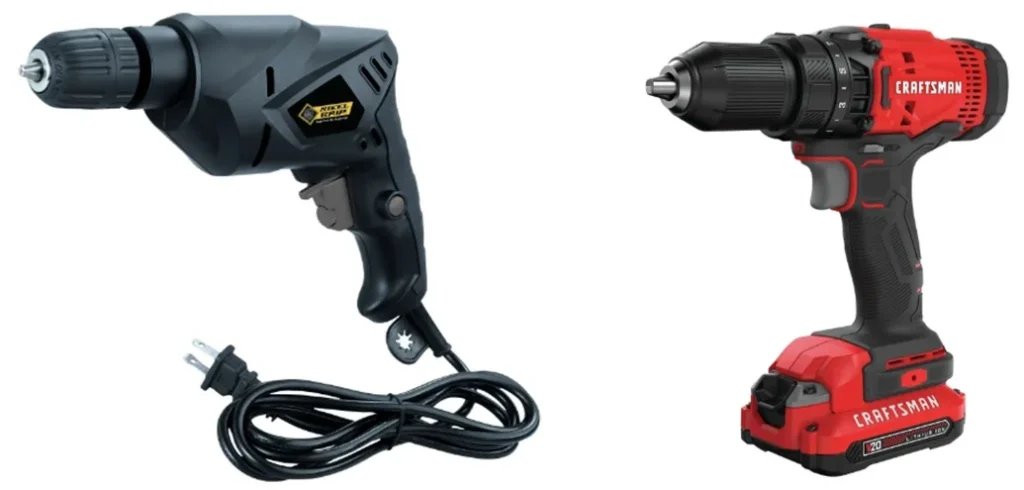
Understanding the Difference
The primary difference between these two types of power tools is their power source.
Corded Tools
Corded tools operate by plugging directly into an electrical outlet.
Examples include:
- Circular saws
- Drills
- Sanders
- Grinders
- Routers
Because they receive continuous power, corded tools can operate without interruption.
Cordless Tools
Cordless tools run on rechargeable battery packs.
Popular cordless tools include:
- Drills
- Impact drivers
- Circular saws
- Nail guns
- Leaf blowers
Modern lithium-ion batteries have significantly improved cordless tool performance and runtime.
Power and Performance
Power is often one of the biggest factors when choosing between corded and cordless tools.
Corded Tools
Advantages
- Continuous power output
- No performance loss from battery depletion
- Ideal for demanding applications
Common tasks include:
- Cutting thick lumber
- Grinding metal
- Heavy-duty demolition
- Extended workshop use
Professionals often rely on corded tools for jobs that require maximum power.
Cordless Tools
Advantages
- Modern batteries provide impressive performance
- Suitable for most household projects
- Excellent portability
Today’s premium cordless tools can often match the performance of many corded models.
However, runtime limitations still exist for prolonged heavy-duty use.
Mobility and Convenience
This category is where cordless tools typically excel.
Cordless Tools
Benefits
- No power cords
- Greater freedom of movement
- Easy transportation
- Ideal for outdoor projects
Examples include:
- Working on roofs
- Building fences
- Landscaping projects
- Remote job sites
Users can move freely without worrying about extension cords.
Corded Tools
Limitations
- Restricted by cord length
- Requires nearby outlets
- Extension cords may be necessary
Large projects may involve frequently repositioning power cords.
Runtime and Work Duration
Corded Tools
One major advantage of corded tools is unlimited runtime.
As long as electricity is available:
- No charging is required
- No battery swaps are necessary
- Performance remains consistent
This makes corded tools ideal for long workshop sessions.
Cordless Tools
Runtime depends on:
- Battery capacity
- Tool type
- Workload
Heavy-duty applications drain batteries faster.
Many users purchase multiple batteries to minimize downtime.
Maintenance Requirements
Maintenance differs significantly between the two systems.
Corded Tools
Generally require:
- Cord inspections
- Cleaning
- Occasional brush replacement
There are no batteries to manage.
Cordless Tools
Additional considerations include:
- Battery charging
- Battery storage
- Battery replacement
Over time, batteries lose capacity and may need replacement.
Cost Comparison
Budget often plays an important role in purchasing decisions.
Initial Purchase Price
Corded tools are often less expensive than comparable cordless versions.
This is because they do not require:
- Batteries
- Chargers
Long-Term Costs
Cordless systems may involve additional expenses:
- Replacement batteries
- Additional chargers
- Platform upgrades
However, many manufacturers allow multiple tools to share the same battery system.
Workshop Use vs Job Site Use
Workshop Users
Corded tools may be a better choice if you:
- Work primarily indoors
- Have easy access to power outlets
- Need extended operating time
Woodworkers often prefer corded tools for stationary workshop tasks.
Mobile Users
Cordless tools may be better if you:
- Frequently work outdoors
- Move between projects
- Need maximum portability
Homeowners often appreciate the convenience of cordless systems.
Battery Technology Has Changed the Industry
Advances in lithium-ion battery technology have dramatically improved cordless tools.
Modern batteries offer:
- Faster charging
- Longer runtime
- Reduced weight
- Improved durability
As a result, many homeowners now choose cordless tools as their primary system.
Best Uses for Corded Tools
Corded tools remain excellent choices for:
Circular Saws
Heavy-duty cutting tasks.
Angle Grinders
Extended metalworking projects.
Routers
Precision woodworking.
Bench Grinders
Workshop sharpening and shaping.
Table Saws
Stationary workshop applications.
Best Uses for Cordless Tools
Cordless tools excel in:
Drills
The most popular cordless tool category.
Impact Drivers
Portable fastening applications.
Nail Guns
Trim and finishing work.
Leaf Blowers
Outdoor maintenance.
String Trimmers
Yard care and landscaping.
Pros and Cons Summary
| Feature | Corded Tools | Cordless Tools |
|---|---|---|
| Power | Excellent | Very Good |
| Portability | Limited | Excellent |
| Runtime | Unlimited | Battery Dependent |
| Maintenance | Low | Moderate |
| Initial Cost | Lower | Higher |
| Long-Term Cost | Lower | Higher |
| Convenience | Moderate | Excellent |
| Outdoor Use | Less Convenient | Excellent |
Which Option Is Best for Beginners?
For most homeowners and DIY beginners, cordless tools are often the better starting point.
Benefits include:
- Easy to use
- Highly portable
- Versatile
- Suitable for common household projects
A cordless drill and impact driver can handle a surprising number of tasks around the home.
However, if you primarily work in a garage or workshop, corded tools may offer better value and unlimited runtime.
Frequently Asked Questions
Are cordless tools powerful enough for home projects?
Yes. Modern cordless tools are more than capable of handling most DIY and home improvement tasks.
Do cordless batteries wear out?
Yes. Battery performance gradually declines over time and eventually requires replacement.
Are corded tools becoming obsolete?
No. Many professionals still prefer corded tools for demanding applications and continuous operation.
Should I buy an entire cordless tool system?
If you plan to purchase multiple tools, staying within a single battery platform can save money and improve convenience.
Final Thoughts
Both corded and cordless tools have their place in a homeowner’s toolkit. Corded tools offer consistent power and unlimited runtime, making them ideal for demanding projects and workshop environments. Cordless tools provide unmatched convenience, portability, and flexibility, making them the preferred choice for many modern homeowners and DIY enthusiasts. Understanding your project requirements and work environment will help you choose the system that delivers the best combination of performance, convenience, and value.