
Smart home technology has transformed the way homeowners interact with their living spaces. From controlling lights with a smartphone to monitoring security cameras remotely, modern smart home devices offer greater convenience, efficiency, comfort, and security than ever before.
Whether you’re building a complete smart home system or simply adding a few connected devices, understanding the essential technologies available today can help you make informed decisions. This guide explores the most important smart home essentials for modern living.
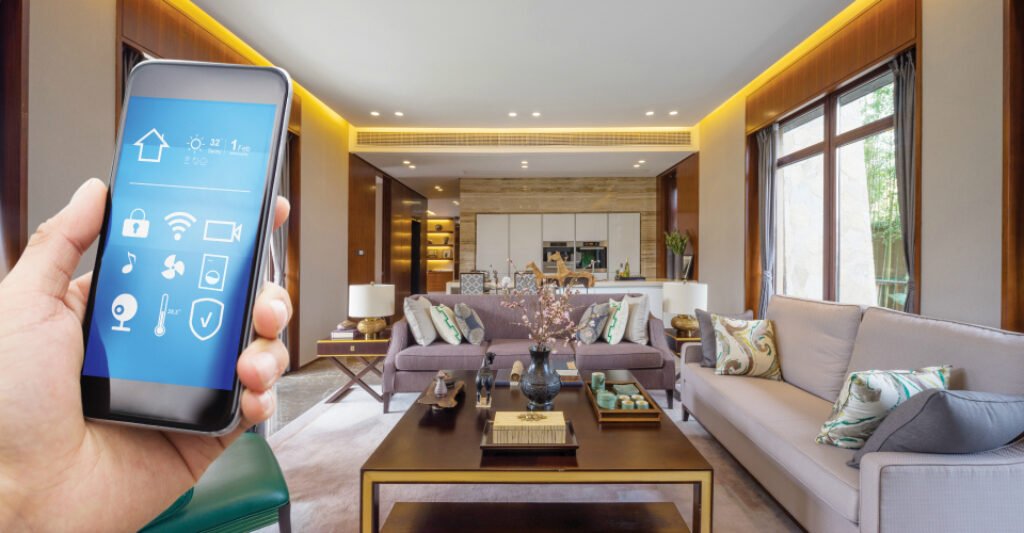
What Is a Smart Home?
A smart home uses internet-connected devices that allow homeowners to monitor, control, and automate various household functions.
Common smart home capabilities include:
- Remote control through mobile apps
- Voice commands
- Automated schedules
- Real-time notifications
- Energy management
- Home security monitoring
Many smart devices can also work together to create a more seamless living experience.
Benefits of Smart Home Technology
Smart home devices offer several advantages.
Convenience
Control devices from anywhere using a smartphone or voice assistant.
Energy Efficiency
Reduce electricity consumption through automation and smart scheduling.
Improved Security
Monitor your home remotely and receive alerts when unusual activity occurs.
Comfort
Automate everyday tasks such as adjusting lighting and temperature.
Peace of Mind
Stay connected to your home even while traveling.
Smart Thermostats
A smart thermostat is often one of the most valuable smart home upgrades.
Features
- Remote temperature control
- Learning schedules
- Energy usage reports
- Automated heating and cooling adjustments
Benefits
- Improved comfort
- Lower energy bills
- Reduced HVAC usage
Many homeowners consider smart thermostats one of the easiest ways to improve energy efficiency.
Smart Lighting
Smart lighting allows homeowners to control lights through apps, schedules, or voice commands.
Features
- Remote on/off control
- Dimming capabilities
- Scheduling
- Color-changing options
Benefits
- Enhanced convenience
- Improved security
- Reduced energy consumption
Automated lighting schedules can make a home appear occupied while residents are away.
Smart Doorbells
Video doorbells have become increasingly popular in modern homes.
Features
- Live video monitoring
- Motion detection
- Two-way communication
- Mobile alerts
Benefits
- Improved front-door security
- Package monitoring
- Visitor identification
Homeowners can view and communicate with visitors from virtually anywhere.
Smart Security Cameras
Security cameras provide an additional layer of protection.
Indoor Cameras
Useful for:
- Monitoring pets
- Checking on children
- General home monitoring
Outdoor Cameras
Designed to monitor:
- Driveways
- Entry points
- Backyards
- Garages
Modern systems often provide high-definition video and cloud storage options.
Smart Locks
Smart locks eliminate the need for traditional keys in many situations.
Features
- Keyless entry
- Smartphone access
- Temporary access codes
- Activity logs
Benefits
- Increased convenience
- Improved security
- Easier guest access
Many smart locks can automatically lock doors after a specified period.
Smart Plugs
Smart plugs are one of the simplest and most affordable smart home devices.
What They Do
Convert ordinary appliances into smart devices.
Examples include:
- Lamps
- Coffee makers
- Fans
- Holiday decorations
Benefits
- Scheduling
- Remote control
- Energy management
Smart plugs are often recommended as a beginner-friendly smart home upgrade.
Smart Speakers and Voice Assistants
Voice assistants serve as the central control hub for many smart homes.
Common Functions
- Voice commands
- Device control
- Music streaming
- Weather updates
- Reminders
Voice control can simplify everyday household tasks.
Smart Smoke and Carbon Monoxide Detectors
Traditional detectors provide local alerts, while smart models add additional features.
Benefits
- Smartphone notifications
- Remote monitoring
- Battery status alerts
- Integration with other smart devices
These devices can provide valuable warnings even when homeowners are away.
Smart Garage Door Openers
Garage door automation adds both convenience and security.
Features
- Remote opening and closing
- Status monitoring
- Activity notifications
Benefits
- Reduced risk of leaving the garage open
- Improved access management
Many systems can be controlled directly from a smartphone.
Smart Irrigation Systems
Homeowners with lawns and gardens can benefit from automated irrigation.
Features
- Weather-based scheduling
- Remote control
- Water usage monitoring
Benefits
- Water conservation
- Healthier landscapes
- Reduced utility costs
Smart irrigation systems can automatically adjust watering schedules based on local weather conditions.
Smart Home Hubs
As the number of smart devices grows, managing them becomes more important.
What a Hub Does
A smart home hub can:
- Connect multiple devices
- Create automations
- Simplify management
Examples of automation include:
- Turning off lights when leaving home
- Adjusting temperature at bedtime
- Activating security systems automatically
Building a Smart Home on a Budget
You don’t need to automate your entire home at once.
A practical starting point may include:
Step 1
Smart Speaker
Step 2
Smart Plugs
Step 3
Smart Lighting
Step 4
Smart Thermostat
Step 5
Smart Security Devices
This approach allows homeowners to expand gradually over time.
Common Smart Home Mistakes
Buying Devices Without Checking Compatibility
Ensure devices work with your preferred ecosystem.
Ignoring Network Requirements
A strong Wi-Fi network is essential for reliable performance.
Overcomplicating Automation
Start with simple routines before creating complex automation systems.
Neglecting Security Settings
Use strong passwords and enable two-factor authentication whenever possible.
Smart Home Ecosystems
Many devices integrate with major smart home platforms.
Popular ecosystems include:
- Amazon Alexa
- Google Home
- Apple HomeKit
Choosing one primary ecosystem can simplify setup and device management.
Frequently Asked Questions
What is the best first smart home device?
Many homeowners begin with smart speakers, smart plugs, or smart lighting systems.
Do smart homes save energy?
Yes. Devices such as smart thermostats and smart lighting can help reduce energy consumption.
Are smart homes secure?
When properly configured with strong passwords and updated software, smart home systems can be very secure.
Do I need a smart home hub?
Not necessarily. Many devices work independently, although hubs can improve automation and integration.
Final Thoughts
Smart home technology continues to make modern living more convenient, efficient, and secure. Devices such as smart thermostats, lighting systems, security cameras, smart locks, and voice assistants can simplify everyday routines while improving comfort and peace of mind. By starting with a few essential devices and expanding gradually, homeowners can create a connected home that fits their lifestyle, budget, and long-term needs.