
Power tools, lawn equipment, and hand tools represent a significant investment for homeowners and DIY enthusiasts. Proper maintenance not only extends the lifespan of your equipment but also improves performance, increases safety, and reduces costly repairs. Fortunately, keeping tools in excellent condition doesn’t require extensive expertise—just a consistent maintenance routine.
This guide covers essential maintenance practices that can help keep your equipment running efficiently for years to come.
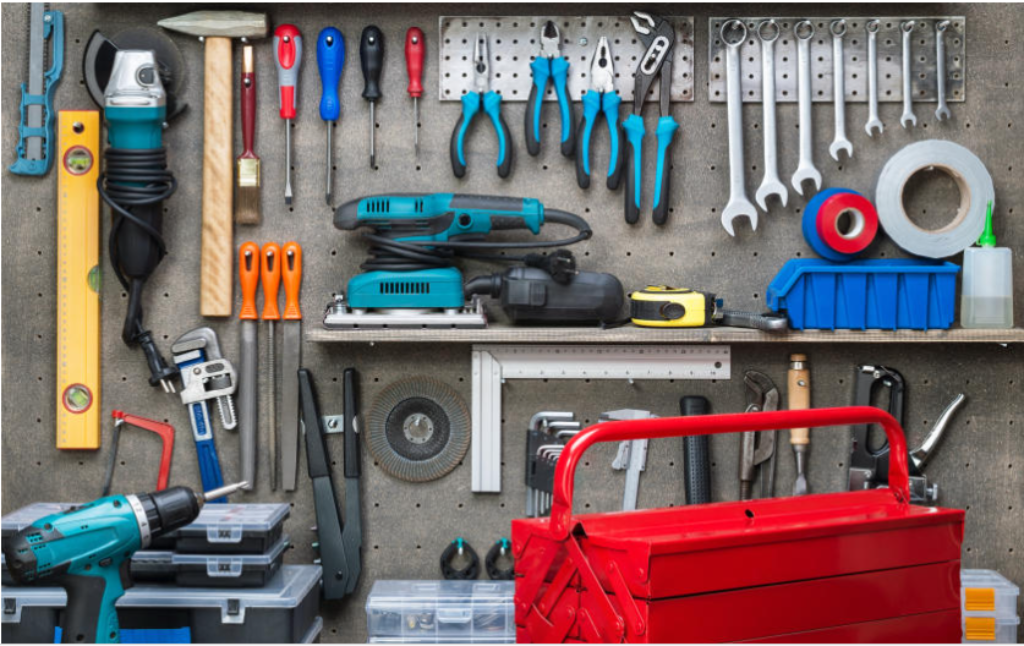
Why Tool Maintenance Matters
Many equipment failures result from neglect rather than normal wear and tear.
Proper maintenance helps:
- Extend tool lifespan
- Improve performance
- Reduce repair costs
- Increase safety
- Prevent unexpected breakdowns
- Protect your investment
Even a few minutes of maintenance after each use can make a significant difference.
Clean Tools After Every Use
One of the simplest and most effective maintenance habits is regular cleaning.
Why Cleaning Is Important
Dust, dirt, grass clippings, sawdust, and debris can:
- Block ventilation
- Cause overheating
- Accelerate wear
- Reduce efficiency
Cleaning Tips
For power tools:
- Wipe exterior surfaces
- Remove dust from air vents
- Clean blades and attachments
For lawn equipment:
- Remove grass buildup
- Clean cutting decks
- Brush off dirt and debris
A clean tool generally performs better and lasts longer.
Inspect Equipment Regularly
Routine inspections can identify small problems before they become expensive repairs.
Check for:
- Loose screws
- Cracked housings
- Damaged cords
- Excessive vibration
- Missing hardware
Addressing issues early often prevents larger failures later.
Keep Blades Sharp
Many tools rely on sharp cutting surfaces for efficient operation.
Examples include:
- Lawn mower blades
- Pruning shears
- Circular saw blades
- Utility knives
- Hedge trimmers
Benefits of Sharp Blades
- Cleaner cuts
- Less strain on motors
- Improved safety
- Better project results
Dull blades force equipment to work harder and can damage materials.
Lubricate Moving Parts
Friction is one of the leading causes of mechanical wear.
Common components requiring lubrication include:
- Hinges
- Bearings
- Pivot points
- Chains
- Moving joints
Always follow the manufacturer’s recommendations regarding lubricant type and application intervals.
Protect Tools from Moisture
Moisture is a major cause of rust and corrosion.
Storage Tips
- Store tools indoors
- Avoid damp environments
- Use storage cabinets when possible
- Keep equipment off concrete floors
Preventing Rust
For metal surfaces:
- Wipe dry after use
- Apply light machine oil when necessary
- Remove rust promptly
Proper storage can dramatically increase tool life.
Battery Maintenance for Cordless Tools
Modern cordless tools rely on lithium-ion battery technology.
Proper battery care can extend battery lifespan significantly.
Best Practices
Avoid Extreme Temperatures
Do not store batteries in:
- Hot vehicles
- Direct sunlight
- Freezing environments
Charge Properly
- Use manufacturer-approved chargers
- Avoid unnecessary overcharging
- Recharge before batteries become completely depleted
Store Partially Charged
If storing for extended periods, many manufacturers recommend maintaining approximately 40–60% charge.
Maintain Power Cords
Corded tools require regular cord inspections.
Check for:
- Frayed insulation
- Exposed wires
- Damaged plugs
- Cracks or cuts
Damaged cords can create serious safety hazards and should be repaired or replaced immediately.
Care for Lawn Equipment
Outdoor equipment often operates in harsh conditions and requires additional maintenance.
Lawn Mowers
Regular maintenance includes:
- Cleaning the deck
- Sharpening blades
- Checking tires
- Inspecting belts
Gas-Powered Models
Additional tasks may include:
- Oil changes
- Air filter replacement
- Spark plug inspection
- Fuel system maintenance
String Trimmers
Keep trimmers operating efficiently by:
- Replacing worn line
- Cleaning debris
- Checking guards
- Inspecting battery connections
Leaf Blowers
Maintenance may include:
- Cleaning air intakes
- Inspecting nozzles
- Checking battery or fuel systems
Replace Worn Parts Promptly
Some components naturally wear over time.
Common replacement items include:
- Saw blades
- Sandpaper
- Batteries
- Filters
- Spark plugs
- Trimmer line
Replacing worn parts often restores performance and prevents additional damage.
Organize Your Tools Properly
Proper organization helps protect equipment and improves efficiency.
Storage Solutions
Toolboxes
Ideal for hand tools and small accessories.
Wall-Mounted Storage
Keeps frequently used tools visible and accessible.
Shelving Systems
Useful for larger equipment and storage bins.
Tool Cabinets
Provide protection from dust and moisture.
An organized workspace also reduces the risk of misplaced or damaged tools.
Seasonal Maintenance Checklist
Spring
- Inspect all equipment
- Replace damaged parts
- Prepare lawn equipment
Summer
- Clean frequently used tools
- Monitor battery performance
- Check cutting blades
Fall
- Deep clean equipment
- Prepare tools for winter storage
- Perform preventative maintenance
Winter
- Store tools properly
- Charge batteries periodically
- Plan repairs and upgrades
Common Tool Maintenance Mistakes
Ignoring Manufacturer Instructions
Always follow maintenance schedules and recommendations provided by the manufacturer.
Waiting for Equipment to Break
Preventative maintenance is typically less expensive than major repairs.
Storing Dirty Tools
Dirt and debris can accelerate wear and corrosion.
Neglecting Battery Care
Improper charging and storage habits can shorten battery life significantly.
Using Dull Blades
Dull cutting surfaces reduce efficiency and place additional stress on equipment.
Frequently Asked Questions
How often should power tools be cleaned?
Light cleaning after every use is ideal, with more thorough inspections performed periodically.
Do batteries need maintenance?
Yes. Proper charging, storage, and temperature management can greatly extend battery lifespan.
How can I prevent rust on tools?
Keep tools clean, dry, and stored in a low-humidity environment.
When should mower blades be sharpened?
Many homeowners sharpen mower blades at least once or twice per mowing season, depending on usage.
Final Thoughts
Proper tool maintenance is one of the easiest ways to protect your investment and improve equipment performance. Regular cleaning, blade sharpening, lubrication, battery care, and proper storage can dramatically extend the lifespan of both hand tools and power equipment. By developing a consistent maintenance routine, homeowners and DIY enthusiasts can keep their tools operating safely, efficiently, and reliably for years to come.