
Whether you’re assembling furniture, installing shelves, repairing drywall, or tackling a weekend renovation, having the right tools can make DIY projects easier, safer, and more successful. While professional contractors may own hundreds of specialized tools, most homeowners only need a practical collection of essentials to handle everyday home improvement tasks.
This guide covers the must-have tools every DIY enthusiast should consider adding to their toolbox.
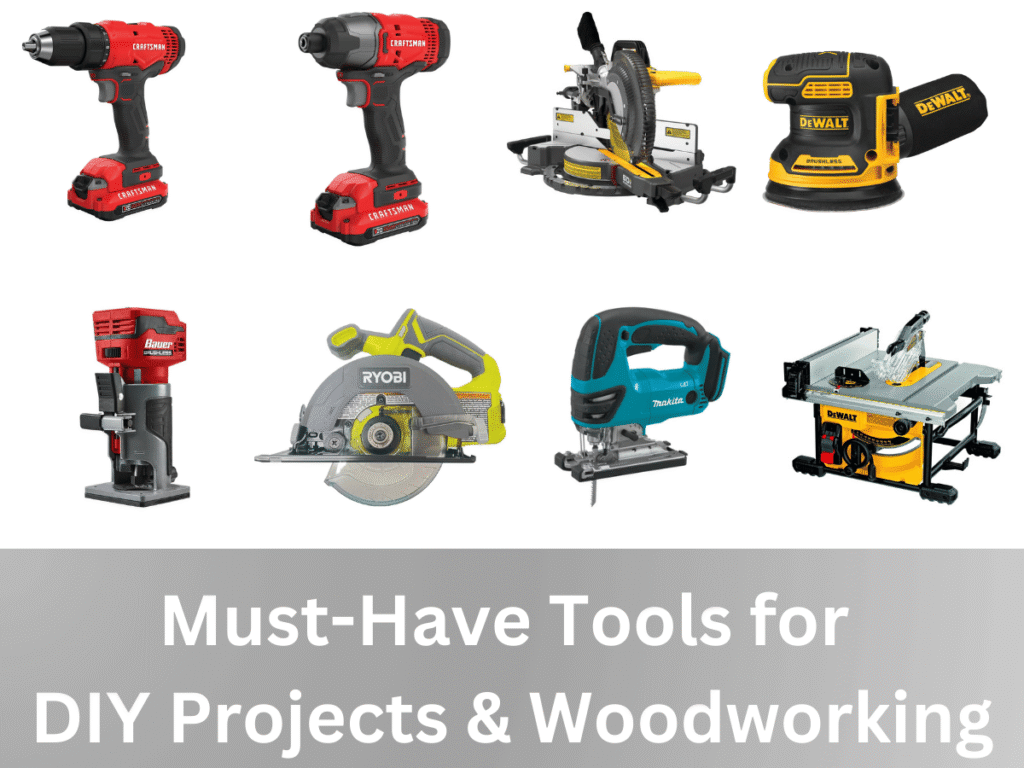
Why Every Homeowner Needs Basic DIY Tools
Owning a well-equipped tool collection offers several benefits:
- Saves money on minor repairs
- Reduces dependence on contractors
- Speeds up household projects
- Improves project quality
- Increases confidence when handling maintenance tasks
Many common repairs can be completed quickly with just a few basic tools.
Cordless Drill
A cordless drill is arguably the most important tool for DIY projects.
Common Uses
- Drilling holes
- Installing screws
- Mounting shelves
- Furniture assembly
- Hanging artwork
Why It’s Essential
A cordless drill can handle hundreds of common household tasks and often becomes the most frequently used power tool in a home.
Tape Measure
Accurate measurements are critical for successful projects.
Common Uses
- Measuring furniture
- Planning renovations
- Hanging decorations
- Installing flooring
Recommended Size
A 25-foot tape measure is suitable for most home projects.
Remember the old DIY rule:
Measure twice, cut once.
Hammer
Every homeowner should own a quality claw hammer.
Common Uses
- Driving nails
- Removing nails
- Light demolition
- General repairs
A 16-ounce claw hammer is often a good all-purpose choice.
Screwdriver Set
Even with a cordless drill, manual screwdrivers remain essential.
Recommended Types
Phillips Head
Most common household screws.
Flathead
Useful for various fasteners and adjustment tasks.
Precision Screwdrivers
Ideal for electronics and delicate repairs.
Adjustable Wrench
An adjustable wrench can fit multiple bolt and nut sizes.
Common Uses
- Plumbing repairs
- Furniture assembly
- Appliance installation
- General maintenance
Its versatility makes it one of the most valuable hand tools available.
Utility Knife
A sharp utility knife is useful for many household projects.
Common Uses
- Opening boxes
- Cutting drywall
- Trimming materials
- Flooring installation
Always keep spare blades available for clean and safe cuts.
Level
A level helps ensure projects are properly aligned.
Common Uses
- Hanging pictures
- Installing shelves
- Mounting televisions
- Cabinet installation
Even a small level can dramatically improve project quality.
Pliers Set
Pliers provide grip and control when working with small parts and fasteners.
Recommended Types
Needle-Nose Pliers
For tight spaces and detailed work.
Slip-Joint Pliers
General-purpose gripping and adjustments.
Locking Pliers
For stubborn fasteners and extra holding power.
Stud Finder
A stud finder helps locate wall studs behind drywall.
Common Uses
- Mounting televisions
- Installing heavy shelves
- Hanging cabinets
- Securing wall fixtures
Finding studs improves both safety and stability.
Circular Saw
For homeowners interested in larger DIY projects, a circular saw is an excellent addition.
Common Uses
- Cutting lumber
- Building shelves
- Deck projects
- Home renovations
It provides fast, accurate cuts for a wide range of materials.
Random Orbital Sander
A sander can significantly improve finishing quality.
Common Uses
- Furniture refinishing
- Surface preparation
- Paint removal
- Woodworking projects
Smooth surfaces often lead to better-looking results.
Shop Vacuum
DIY projects often create dust and debris.
Benefits
- Cleaner workspace
- Improved safety
- Easier project cleanup
- Better air quality
Many shop vacuums can handle both wet and dry materials.
Ladder
Many home improvement projects require safe access to elevated areas.
Common Uses
- Painting
- Gutter cleaning
- Light fixture replacement
- Ceiling repairs
Choose a ladder rated appropriately for your intended use.
Safety Equipment
Safety should be part of every DIY project.
Essential Safety Gear
Safety Glasses
Protect eyes from debris and dust.
Work Gloves
Improve grip and hand protection.
Hearing Protection
Recommended when using power tools.
Dust Mask or Respirator
Useful during sanding, cutting, and demolition work.
Building a Beginner DIY Toolkit
If you’re starting from scratch, prioritize these tools first:
Essential Starter Kit
- Cordless Drill
- Tape Measure
- Hammer
- Screwdriver Set
- Adjustable Wrench
- Utility Knife
- Level
- Pliers
- Safety Glasses
- Ladder
This collection can handle a large percentage of common household projects.
Common DIY Tool Buying Mistakes
Buying Cheap Tools Only
Extremely inexpensive tools may wear out quickly or perform poorly.
Ignoring Safety Equipment
Protective gear is just as important as the tools themselves.
Purchasing Specialized Tools Too Early
Focus on versatile tools first before buying project-specific equipment.
Poor Tool Organization
A toolbox or storage system helps protect your investment and keeps tools easy to find.
Frequently Asked Questions
What is the first tool every homeowner should buy?
A cordless drill is often considered the most useful and versatile tool for DIY projects.
Do I need expensive professional-grade tools?
Not necessarily. Many homeowners are well served by quality mid-range tools designed for occasional use.
How should I store my tools?
Store tools in a clean, dry location to prevent rust and damage.
Which power tool is most useful for beginners?
A cordless drill offers the best combination of versatility, ease of use, and value.
Final Thoughts
Successful DIY home projects begin with having the right tools. A practical collection of essential hand tools, power tools, and safety equipment can help homeowners complete repairs, upgrades, and maintenance tasks with greater confidence and efficiency. By starting with versatile tools and gradually expanding your collection as your skills grow, you’ll be prepared for a wide range of projects around the home.