
A healthy lawn does more than improve curb appeal—it creates a welcoming outdoor space, reduces soil erosion, and can even increase property value. While achieving a lush green yard may seem challenging, proper lawn care is often a matter of following a few simple practices consistently throughout the year.
This guide covers the essential lawn care tips every homeowner should know to maintain a healthy and attractive yard.
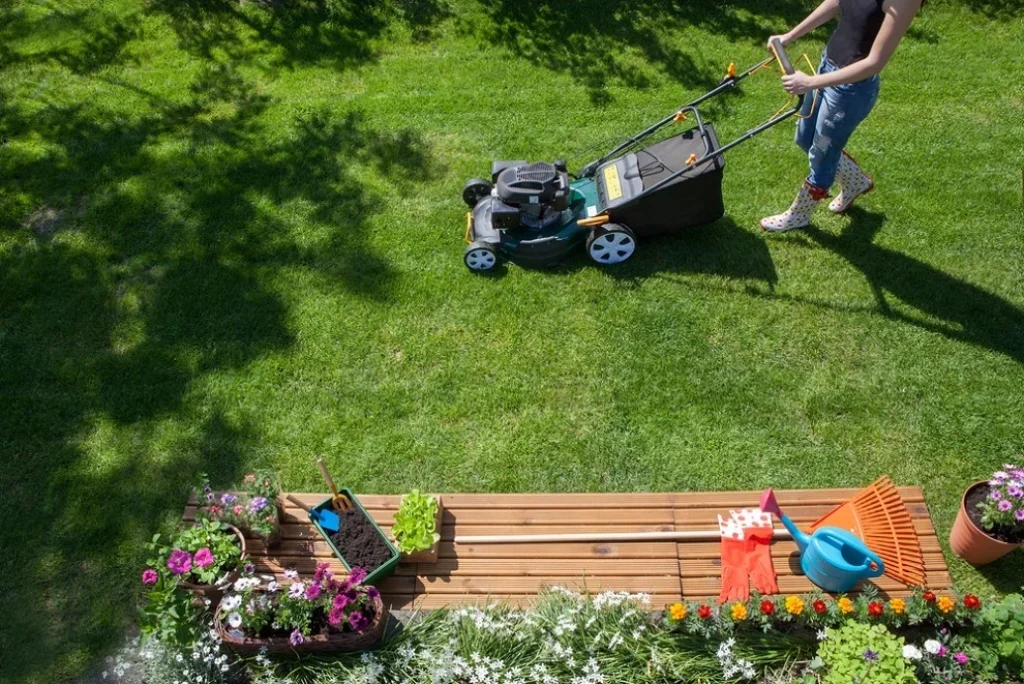
Understand Your Grass Type
The first step to successful lawn care is understanding the type of grass growing in your yard.
Cool-Season Grasses
Common in northern regions:
- Kentucky Bluegrass
- Perennial Ryegrass
- Fine Fescue
These grasses grow most actively during spring and fall.
Warm-Season Grasses
Common in southern regions:
- Bermuda Grass
- Zoysia Grass
- St. Augustine Grass
These varieties thrive during the warmer months of the year.
Knowing your grass type helps determine the best mowing height, watering schedule, and fertilization plan.
Mow Correctly
Proper mowing is one of the most important aspects of lawn care.
Follow the One-Third Rule
Never remove more than one-third of the grass blade height during a single mowing session.
Removing too much grass at once can:
- Stress the lawn
- Increase weed growth
- Reduce drought resistance
Keep Mower Blades Sharp
Dull blades tear grass rather than cutting it cleanly.
Benefits of sharp blades:
- Healthier grass
- Cleaner appearance
- Reduced disease risk
Adjust Mowing Height
Different grass types require different cutting heights.
General recommendation:
- Cool-season grasses: 2.5–4 inches
- Warm-season grasses: 1–3 inches
Taller grass often develops deeper roots and better drought resistance.
Water Deeply and Consistently
Many homeowners either overwater or underwater their lawns.
Water Less Frequently but More Deeply
Deep watering encourages roots to grow further into the soil.
Aim for approximately:
- 1–1.5 inches of water per week
- Including rainfall
Water Early in the Morning
The ideal watering time is between:
- 6:00 AM and 10:00 AM
Benefits include:
- Reduced evaporation
- Better absorption
- Lower disease risk
Avoid watering late in the evening, as excess moisture can promote fungal growth.
Fertilize at the Right Time
Grass requires nutrients to maintain strong growth and vibrant color.
The primary nutrients include:
- Nitrogen (N)
- Phosphorus (P)
- Potassium (K)
Cool-Season Lawns
Best fertilization periods:
- Early spring
- Early fall
Warm-Season Lawns
Best fertilization periods:
- Late spring
- Summer
Always follow label instructions to avoid over-fertilizing.
Control Weeds Before They Spread
Weeds compete with grass for water, nutrients, and sunlight.
Common lawn weeds include:
- Dandelions
- Crabgrass
- Clover
- Nutsedge
Preventive Measures
A thick, healthy lawn naturally suppresses weed growth.
Additional strategies:
- Maintain proper mowing height
- Fertilize regularly
- Overseed thin areas
Spot Treatment
Address weeds early before they spread throughout the lawn.
Aerate Compacted Soil
Over time, soil can become compacted, limiting air, water, and nutrient movement.
Signs your lawn may need aeration:
- Water pooling after rain
- Thin grass growth
- Hard soil
Benefits of Aeration
- Improved root development
- Better nutrient absorption
- Stronger overall lawn health
Most lawns benefit from aeration once every one to three years.
Overseed Thin Areas
Bare patches and thin spots can make a lawn appear unhealthy.
Overseeding helps:
- Increase lawn density
- Improve appearance
- Reduce weed invasion
For cool-season grasses, fall is generally the best time to overseed.
Mulch Grass Clippings
Many homeowners bag their clippings, but mulching can be beneficial.
Grass clippings provide:
- Natural nutrients
- Improved soil moisture retention
- Reduced fertilizer needs
As long as clippings are not excessively thick, they can remain on the lawn.
Watch for Lawn Diseases and Pests
Early detection can prevent serious damage.
Common Lawn Diseases
- Brown Patch
- Dollar Spot
- Rust Disease
Common Lawn Pests
- Grubs
- Chinch Bugs
- Armyworms
Warning signs include:
- Yellow patches
- Thinning grass
- Irregular dead spots
Prompt treatment often prevents widespread damage.
Seasonal Lawn Care Checklist
Spring
- Clean debris
- Apply fertilizer
- Begin regular mowing
- Inspect for weeds
Summer
- Water deeply
- Monitor pests
- Raise mowing height during heat
Fall
- Aerate
- Overseed
- Fertilize cool-season grasses
Winter
- Minimize foot traffic
- Store lawn equipment properly
- Plan for spring maintenance
Common Lawn Care Mistakes
Cutting Grass Too Short
Scalping weakens grass and encourages weeds.
Overwatering
Too much water can cause shallow roots and disease problems.
Ignoring Soil Health
Healthy soil is the foundation of a healthy lawn.
Using Dull Mower Blades
Poor cuts can increase stress and disease susceptibility.
Frequently Asked Questions
How often should I mow my lawn?
Most lawns should be mowed once per week during active growth periods.
How much water does a lawn need?
Generally, 1–1.5 inches of water per week is sufficient.
Is it okay to leave grass clippings on the lawn?
Yes. Mulched clippings can provide valuable nutrients.
When is the best time to fertilize?
This depends on your grass type, but spring and fall are common fertilization periods for many lawns.
Final Thoughts
A healthy lawn is the result of consistent care rather than complicated techniques. Proper mowing, watering, fertilizing, aeration, and weed control can dramatically improve the appearance and resilience of your yard. By following these essential lawn care practices throughout the year, homeowners can enjoy a greener, thicker, and healthier lawn season after season.